In 2026, food and drink are becoming more intentional, expressive, and experience-driven. Across bars, kitchens, and cafés, the focus is shifting away from excess and toward thoughtful indulgence where flavor, texture, and story matter just as much as what’s being served.
Menus are lighter but bolder, portions are smaller but more composed, and global influences are showing up in more personal, nuanced ways. From botanical-forward cocktails and rare citrus to layered drinks and shareable plates, these 2026 culinary and cocktail trends highlight how culinary culture is evolving to feel more human, tactile, and memorable.
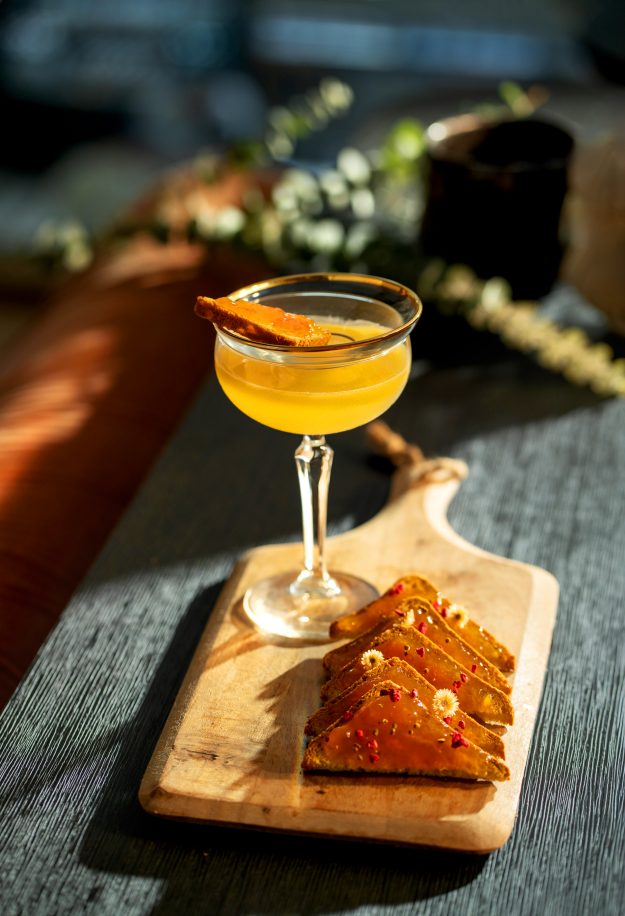
Where bold ingredients meet thoughtful indulgence — this is 2026.
Nature Takes the Lead
The natural world is shaping flavor in more nuanced ways than ever before. The garden-to-glass movement is evolving beyond herbs and into earthier territory, with ingredients like aloe, chayote, eucalyptus, and pepperberry adding depth and subtle complexity to cocktails.
At the same time, sweetness is being reimagined. Refined sugar is taking a backseat as botanicals and fruit — think rose, elderflower, cherry, and rare citrus varieties like calamansi, hallabong, and sumo — deliver natural sweetness and brightness. These ingredients don’t overpower; they balance, creating drinks and dishes that feel fresh, layered, and grounded.
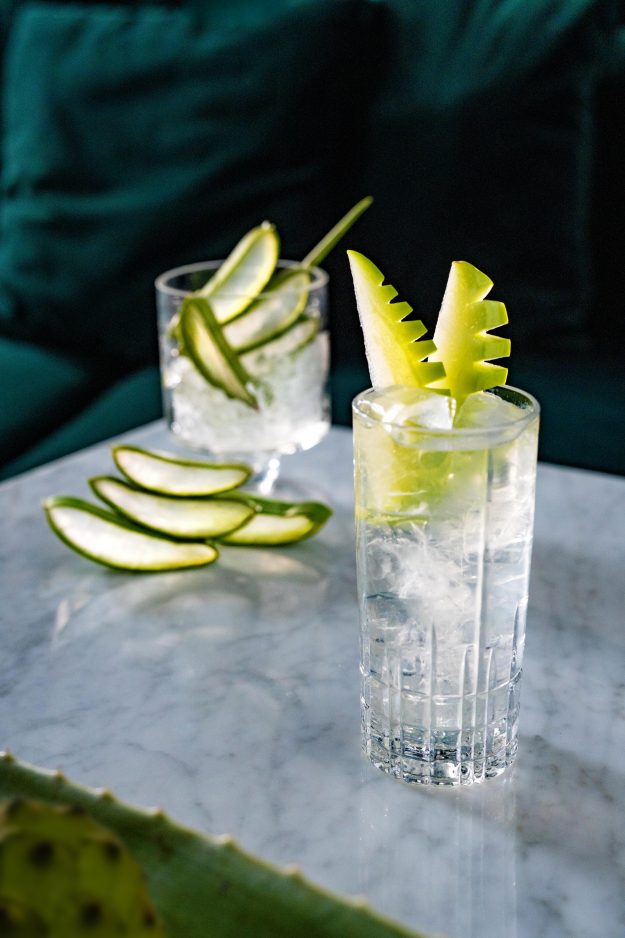
It’s time to take a sip worth slowing down for.
A New Era of Sipping
Drinking culture in 2026 is lighter, more intentional, and globally inspired. The Garibaldi is poised to unseat the Aperol Spritz as the aperitivo of choice, celebrated for its low-ABV profile and refreshing citrus-forward flavor. Variations featuring Italian aperitifs and unique citrus pairings will dominate menus.
Beyond cocktails, fizzy Spanish wine drinks like Kalimotxo, Tinto Verano, and Rebujito are rising in popularity, while Asia-Pacific wines are gaining global attention. Even coffee culture is shifting — banana milk, long popular in Korea, is emerging worldwide as a creamy, naturally sweet alternative to oat milk, especially in espresso-based drinks.

These inspired drinks are designed to be savored one sip at a time.
Texture, Layers, and Tech
In 2026, flavor is only part of the story — how it feels matters just as much. Texture is taking center stage across both food and drink, with crispy, crunchy, foamy, fizzy, and silky elements adding contrast and intrigue.
Layered drinks are turning cocktails into visual and sensory experiences, replacing fully blended beverages with distinct, visible layers that reveal flavor gradually. Behind the scenes, cocktail tech is getting smarter and subtler. Bars are moving away from smoke and toward aromatic machines, switching, sous-pression, and deep-freezing techniques to manipulate flavor with precision, all while enhancing aroma and mouthfeel without overpowering the drink.

When texture becomes a part of the story.
Small Plates, Big Impact
Portions may be shrinking, but their impact is growing. The era of Girl Dinner is giving way to “Snacky Suppers,” where entrée-inspired dips transform classics like gumbo or cacio e pepe into shareable, bite-sized favorites.
Alongside this shift is the rise of mini moments: Small, composed food-and-drink pairings designed as personal indulgences. These thoughtful sips and snacks offer a moment of self-care without excess. Even comfort foods are evolving — pancakes are emerging as multicultural flavor carriers, inspired by global variations like Korean hotteok, Moroccan msemen, and Vietnamese bánh xèo, serving as a versatile base for bold creativity.

We’re looking forward to dishes rooted in tradition, but inspired by what’s next.

It’s time for a fresh take on what comfort looks like now.
Roots, Craft, and Fire
Menus in 2026 are telling deeper stories. Heritage and third-culture cuisine is taking center stage, emphasizing bold flavor, personal history, and lived experience — sometimes rooted in a single culture, sometimes blending many.
Craft is also defining beverage programs, especially in coffee. Specialty cultivars, terroir-driven flavors, climate-resilient beans, and co-fermented or seasonal blends are reshaping coffee menus with the same care once reserved for wine lists. In the kitchen, charcoal — especially Japanese binchotan — is prized not for smoke, but for its precision, allowing ingredients to shine with subtle depth and control.

This is where layered flavors meet intentional moments.
Together, these five trends point to a future where food and drink are less about excess and more about intention. Natural ingredients, global influence, tactile experiences, and meaningful storytelling are shaping menus that feel personal, memorable, and quietly luxurious.
Because in 2026, the best experiences aren’t just tasted — they’re felt, shared, and savored, one thoughtful moment at a time.