Some cities house their history in museums. San Antonio puts it right under your feet and around every bend in its iconic River Walk. In Alamo City, centuries-old missions stand shoulder to shoulder with vibrant art museums, and cobblestoned plazas echo with the history of missionaries, cowboys, artists, makers, and settlers. Forget reading a history book — exploring downtown San Antonio feels akin to stepping into your own choose-your-own-adventure.
It’s time to explore the history of Alamo City. (Photo Credit: Eric Francis)
Start with these iconic spots that have been shaping downtown San Antonio’s history for centuries.
The San Fernando Cathedral — Circa 1731
One of the oldest continuously active churches in the United States, this lofty cathedral has been San Antonio’s spiritual anchor for nearly 300 years. Settlers from the Canary Islands arrived in 1731 by royal decree and built the church to anchor civic and spiritual life in the new settlement. Since then, it has hosted royal proclamations, city assemblies, candlelit vigils, and important community events. Today, it continues as a working cathedral and honors the ashes of Battle of the Alamo heroes in a crypt beneath its altar.
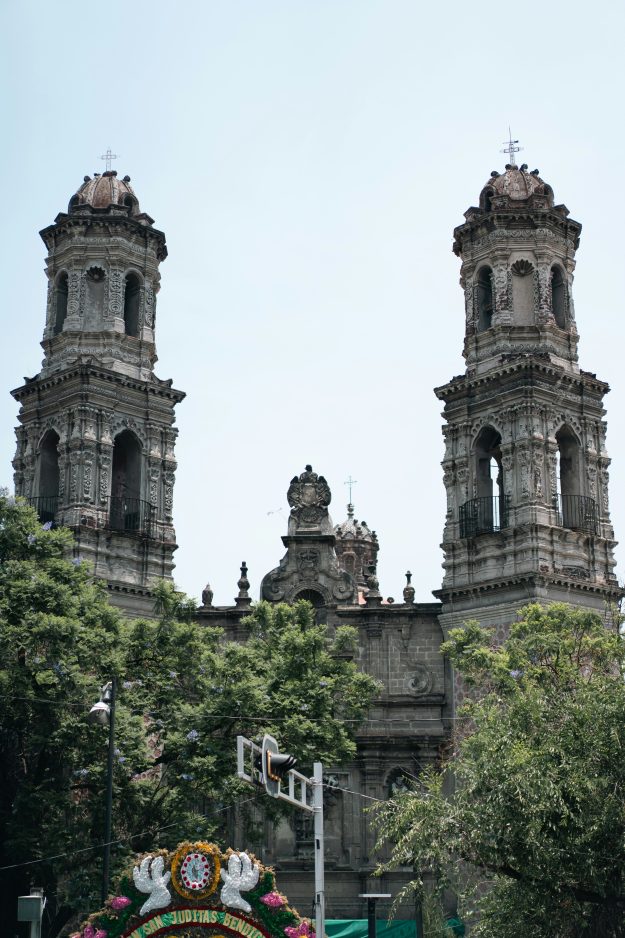
San Antonio’s San Fernando Cathedral is anchored in classic Spanish architecture. (Photo Credit: Clayton Cardinalli)
The Spanish Governor’s Palace — Circa 1749
Tucked quietly downtown, this unassuming facade hides one of San Antonio’s oldest and most storied homes. Step through heavy wooden doors into the quiet courtyard of the Spanish Governor’s Palace, the only remaining Spanish Colonial townhouse in Texas. Its thick adobe walls, carved doors, and whitewashed ceilings carry the stories of presidio days, when San Antonio was a frontier outpost of New Spain.
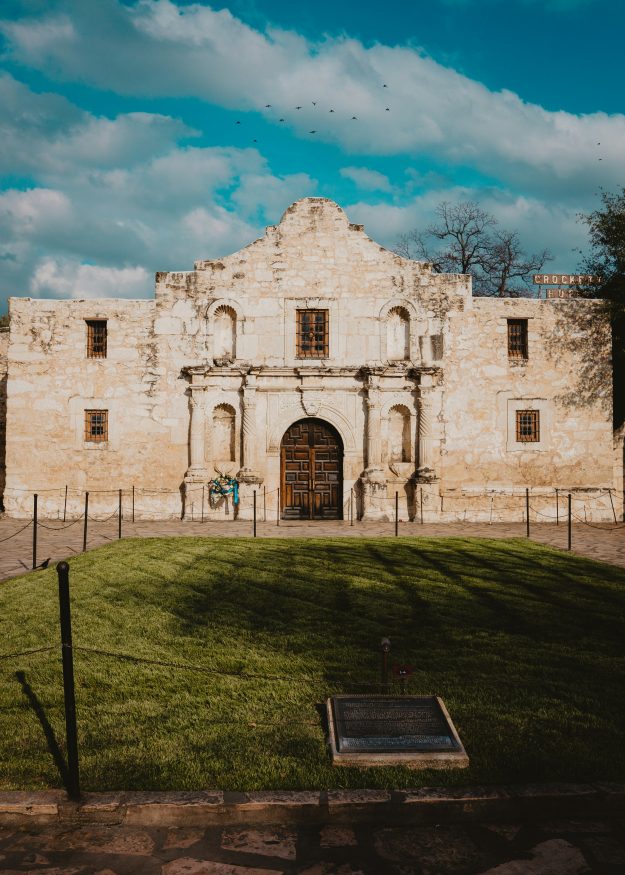
The Alamo — Circa 1718
Originally founded as Mission San Antonio de Padua, The Alamo is etched into Texas heritage for life. Its modest stone walls bore witness to the Battle of the Alamo in 1836 — a 13-day siege where a small band of Texan defenders stood against the Mexican army, choosing courage over surrender. Though the battle ended in loss, their sacrifice became a rallying cry for independence: “Remember the Alamo.”
Today, you can walk through the chapel, see preserved barracks, and explore hundreds of artifacts that keep the legend alive.
Mission San José — Circa 1720
This mission started as more than just a church — it was a community gathering place, school, and sanctuary. The largest of the five San Antonio missions, it’s famed for its intricate rose window, a baroque carving that has become a symbol of the city’s Spanish heritage.

Mission San José is San Antonio’s largest cathedral. (Photo Credit: Joshua Cotten)

Explore the city’s Spanish heritage. (Photo Credit: Joshua Cotten)
Mission Concepción — Circa 1755
Part of the UNESCO World Heritage-designated San Antonio Missions National Historic Park, this unique mission serves as the oldest unrestored stone church in America. Nearly untouched since completion, its original frescos still adorn the walls, offering a rare glimpse of 18th-century artistry.
La Villita Historic Arts Village — Circa Mid 1800s
One of San Antonio’s first neighborhoods, today it’s a historic arts district with galleries, crafts, local artists, restaurants, festivals, and narrow, charming streets. It’s a vivid contrast of old neighborhood character with modern creativity.

Walk amongst the local artisans at La Villita Historic Arts Village. (Photo Credit: Melanie Losoya)

The arts district contrasts character with modern creativity. (Photo Credit: Lance Anderson)
Market Square & The Briscoe — Circa 1800s
In the 19th century, San Antonio grew into a cultural crossroads, a mix of Mexican, Texan, and Western cultural influences. You can feel that energy at Market Square (“El Mercado”), the largest Mexican market in the US, where mariachi music, handcrafted goods, and incredible Mexican food set the scene.
Just steps away, the Briscoe Western Art Museum celebrates cowboy life with paintings, saddles, and artifacts that tell the story of the American Southwest.
The Legacy of the Chili Queens — Late 1800s
Long before Tex-Mex became a food staple, San Antonio’s famous chili queens served fiery chilis, tamales, and enchiladas from makeshift stands in plazas across downtown. More than food vendors, they created a social scene full of music, merriment, and late-night bites that gave San Antonio its reputation as the birthplace of Tex-Mex culture. Today, at Historic Market Square, you can find reenactments and events that keep their legacy alive.
Schilo’s Restaurant — Circa 1917
Radiating a century of German flavor, San Antonio’s oldest restaurant still in operation has been serving hearty German-Texan fare like homemade root beer and split pea soup since 1917. Today, it’s a Texas restaurant institution. Go for lunch or dinner, and try the Taste of Germany: Bratwurst, Schweineschnitzel, red cabbage, German potato salad, sauerkraut.

German food in Texas? Yes, please. (Photo Credit: @shawn)
The Aztec Theater — Circa 1926
This restored movie theater is a burst of Mesoamerican-inspired décor, colorful murals, and gilded details. These days, it’s a hotspot for live music, but, like an architectural time capsule, its walls still hum with old Hollywood glamour.
Esquire Tavern — Circa 1933
San Antonio’s oldest riverfront bar was born just after Prohibition ended, and it hasn’t stopped pouring since. With its speakeasy feel and its legendary wooden bar (the longest in Texas, as a matter of fact), the Esquire is equal parts watering hole and museum of Americana cocktail culture.
Arneson River Theater — Circa 1939
The historic, open-air Arneson Theater transformed San Antonio’s famous River Walk into a stage. Its one-of-a-kind setup, with the river as backdrop, now hosts everything from folklórico dances to concerts and festivals.

The River Walk is San Antonio’s historic heart. (Photo Credit: @westonm)
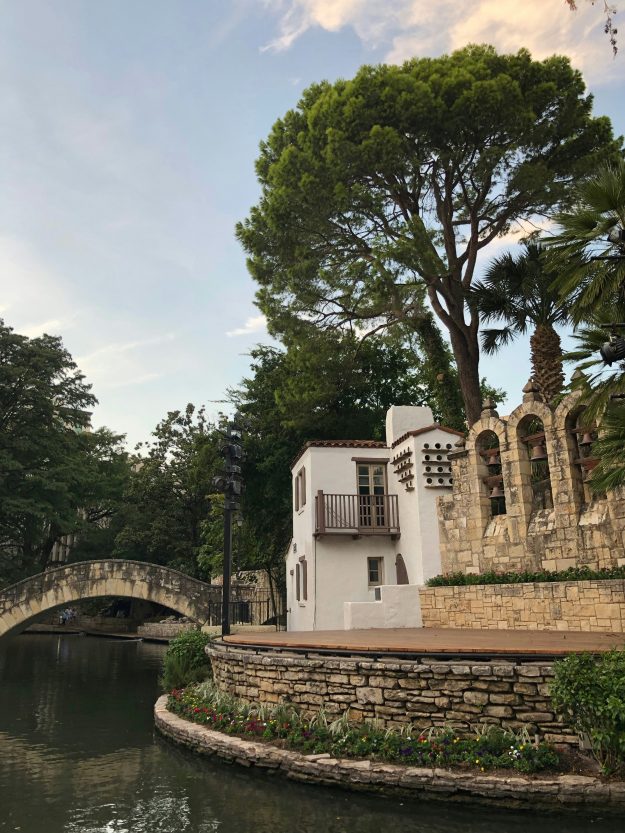
History hums all along the river walk. (Photo Credit: Robin Leeann)
The San Antonio River Walk — Always Flowing
Stretching more than 15 miles, the River Walk is San Antonio’s historic heart, but also a bit like its living room — where guests can admire collected gems, take in music, and explore different chapters from San Antonio’s history book. Stroll, riverboat cruise, or even kayak along parts of its winding paths to explore these places:
- San Antonio Museum of Art — housed in a 19th-century brewery, it houses a large collection of Latin American art and photography from the American South.
- Yanaguana Garden — once home to the Payaya people and later German settlers, this area became the site of HemisFair ’68, San Antonio’s World’s Fair.
- Mission Reach — where four centuries-old missions link together along the riverbanks.
- Kimpton Santo San Antonio – Riverwalk — this carefully restored boutique hotel incorporates a German-English schoolhouse from 1858, thoughtfully repurposed into its restaurant, Dean’s Steak & Seafood, and The Study cocktail bar. Outside, a shaded courtyard with century-old live oaks serves as the perfect place to pause between adventures.

You can rest easy at Kimpton Santo San Antonio – Riverwalk. (Photo Credit: @jwccollective)
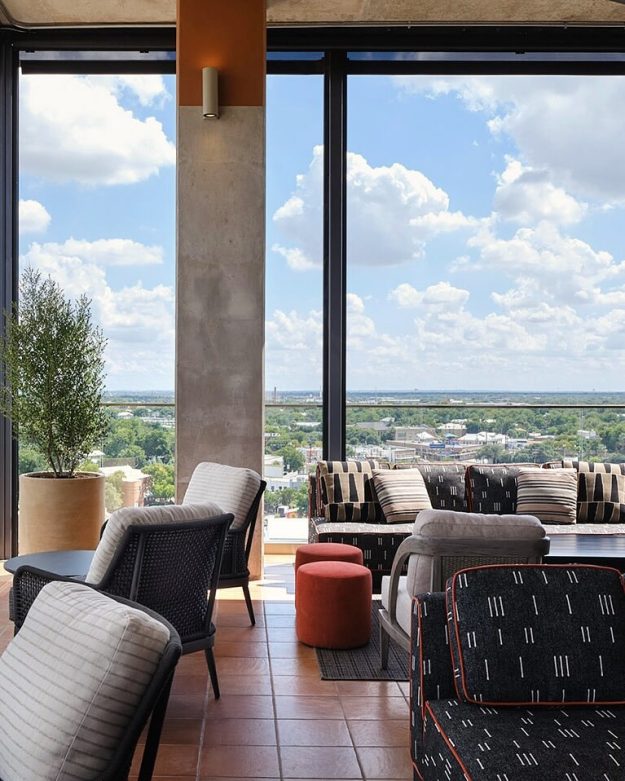
Kimpton Santo San Antonio – Riverwalk puts you right in the heart of it all. (Photo Credit: @jwccollective)
In San Antonio, history hums through mission walls, cathedral bells, and mariachi songs along the river. Whether you’re tracing battle stories at The Alamo, exploring centuries-old missions, or raising a glass at The Esquire, Kimpton Santo San Antonio – Riverwalk puts you in the heart of it all — where San Antonio’s past meets its vibrant present.
Where to stay: Kimpton Santo San Antonio – Riverwalk